Treatments offered
Clear information before you book.
Physiotherapy may combine assessment, education, movement, exercise and hands-on care. The exact plan depends on your symptoms, health history and clinical findings.

01
Orthopaedic rehabilitation
Support for joint, muscle, back and neck problems that affect everyday movement.
May be relevant for
- Back or neck discomfort
- Joint stiffness
- Sprains and muscle strains
Your plan may include
- Movement and strength assessment
- Individual exercise progression
- Education and activity planning

02
Post-operative rehabilitation
A staged programme designed around your procedure, healing stage and surgeon’s guidance.
May be relevant for
- Reduced movement after surgery
- Weakness and stiffness
- Difficulty returning to daily tasks
Your plan may include
- Safe mobility practice
- Progressive strength work
- Functional goal review
03
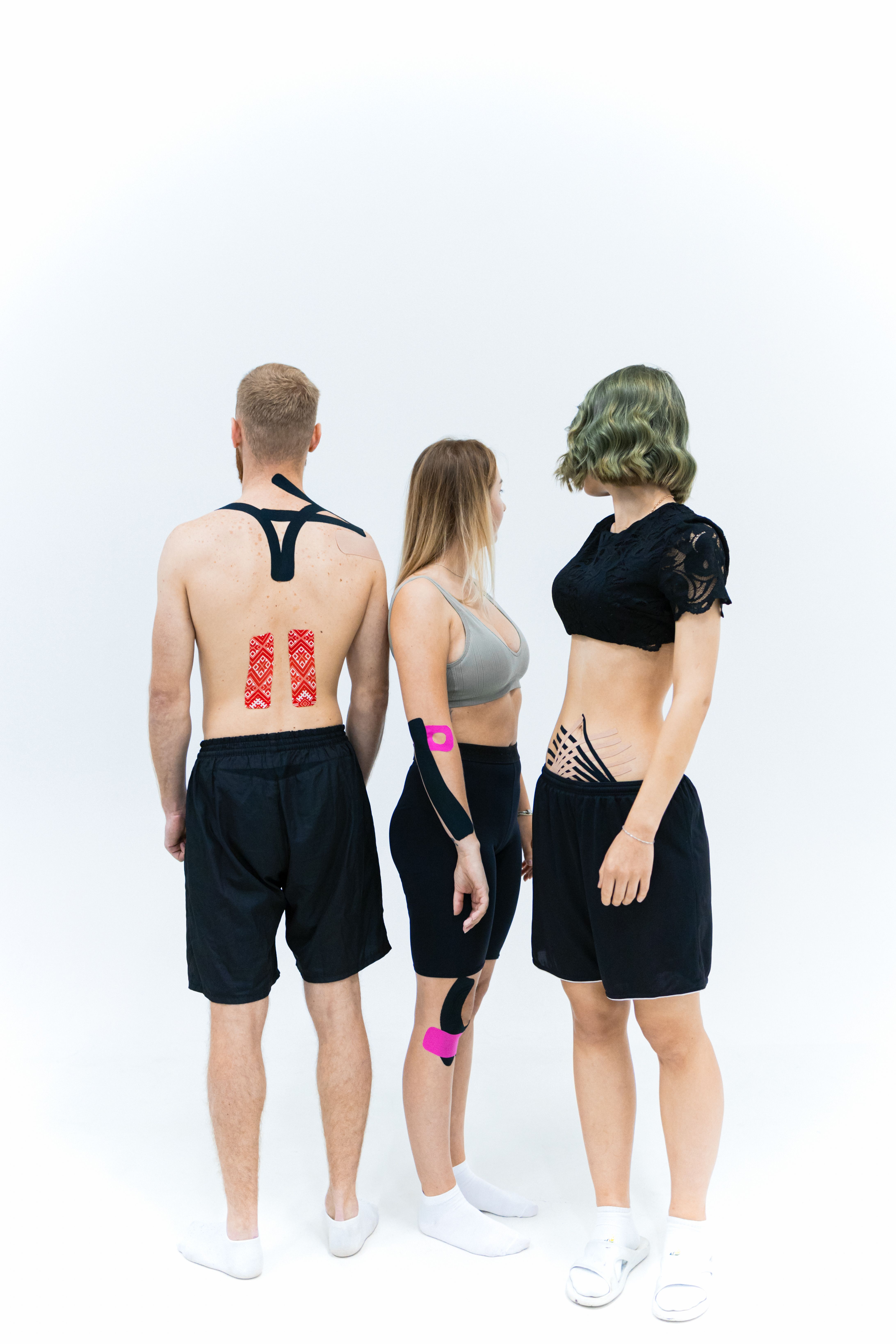
Electrotherapy
Selected clinical modalities used as an addition to an active rehabilitation plan when appropriate.
May be relevant for
- Pain that limits early movement
- Muscle activation needs
- Short-term symptom management
Your plan may include
- Clinical screening
- Appropriate modality selection
- Exercise and movement follow-up
04
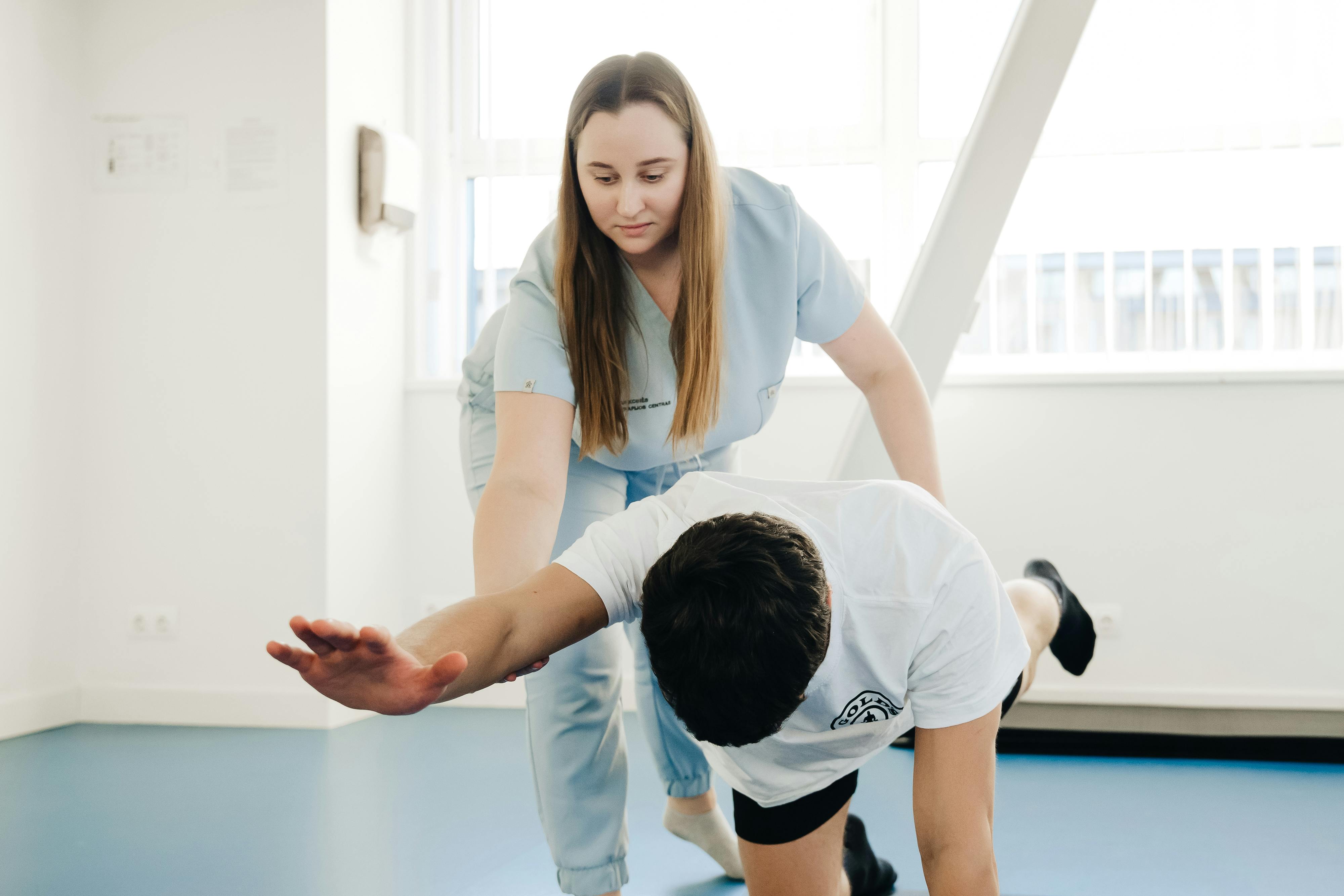
Stroke and neurological rehabilitation
Task-focused rehabilitation for movement, balance and independence after neurological change.
May be relevant for
- Walking and balance difficulty
- Reduced coordination
- Weakness after stroke
Your plan may include
- Movement and balance practice
- Task-specific training
- Family and home guidance

05
Geriatric rehabilitation
Practical strength, balance and mobility training for safer, more confident daily activity.
May be relevant for
- Falls or fear of falling
- Reduced strength
- Difficulty with transfers or walking
Your plan may include
- Balance assessment
- Functional strengthening
- Walking and home-safety guidance

06
Paediatric physiotherapy
Age-appropriate movement support planned around the child’s abilities and family goals.
May be relevant for
- Delayed movement skills
- Balance or coordination difficulty
- Activity limitations
Your plan may include
- Play-based movement assessment
- Family education
- Home activity programme

07
Sports injury rehabilitation
Progressive rehabilitation that prepares the body for training, sport and repeated load.
May be relevant for
- Recent sports injury
- Recurring pain with training
- Reduced strength or confidence
Your plan may include
- Load and movement assessment
- Sport-specific progression
- Return-to-activity planning

08
Fitness and conditioning
A supervised programme to build strength, mobility and physical capacity from your current level.
May be relevant for
- Reduced fitness after inactivity
- Movement confidence
- A structured return to exercise
Your plan may include
- Baseline movement checks
- Progressive conditioning
- Technique and workload guidance

09
Manual therapy
Hands-on techniques used selectively alongside exercise, advice and active rehabilitation.
May be relevant for
- Joint or soft-tissue stiffness
- Restricted movement
- Pain affecting activity
Your plan may include
- Clinical assessment
- Joint or soft-tissue techniques
- Movement reassessment

10
Myofascial and trigger-point release
Targeted soft-tissue care used when sensitivity or restriction is contributing to limited movement.
May be relevant for
- Local muscle sensitivity
- Soft-tissue tightness
- Movement restriction
Your plan may include
- Palpation and movement review
- Selected hands-on techniques
- Active mobility work

11
IASTM
Instrument-assisted soft-tissue treatment used only after assessment and within a broader movement plan.
May be relevant for
- Selected soft-tissue restrictions
- Load-related stiffness
- Limited tissue mobility
Your plan may include
- Suitability screening
- Graded instrument technique
- Exercise progression

12
Cupping therapy
A supportive technique that may be selected for short-term symptom management, never as a stand-alone cure.
May be relevant for
- Selected muscular tightness
- Temporary movement restriction
- Symptoms requiring an adjunct technique
Your plan may include
- Suitability and skin screening
- Conservative application
- Movement and exercise follow-up
Information on this page is general. Assessment is required before recommending a treatment or exercise programme.